La Federazione Pagana e la Religione Pagana
di Claudio Simeoni
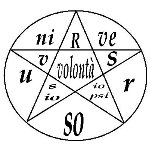
Costruire oggi le antiche religioni precristiane.
La Religione Pagana, di cui la Federazione Pagana è l'organizzatrice, nasce come esigenza umana nella continuità di quel processo filosofico e sociale che, iniziato nel Rinascimento Italiano ha portato alla nascita del libertinismo, dell'illuminismo, del materialismo, del romanticismo.
Questo movimento sociale e filosofico viveva la contraddizione fra esigenze della fondazione di un nuovo pensiero sociale e gli uomini che erano educati emotivamente e psicologicamente in termini creazionisti.
Da un lato le società premevano per aprirsi al futuro, dall'altro lato, gli uomini che vivevano questa necessità, erano imprigionati nella verità creazionista che impediva loro di pensare il mondo in termini di trasformazione.
Educati alla verità che davanti al dio creatore blocca il loro divenire e le loro trasformazioni, scoprivano che la vita è una trasformazione continua. Un continuo divenire che non obbediva a nessuna morale e a nessuna verità imposta da un dio creatore.
Quando gli uomini uscirono dalla morale di sottomissione imposta dal dio creatore, si trasformarono a loro volta in altrettanti "dio onnipotente" devastando la vita perché non erano in grado di pensare emozionalmente il mondo in nessun altro modo che non fosse quello del dio creatore. Freud scopriva l'inconscio e gli adattamenti delle persone ai traumi infantili, ma l'educazione continuò ad essere quella che sottometteva i bambini al dio creatore devastando il loro inconscio e rendendoli cittadini inadeguati. Darwin introdusse il concetto di trasformazione e crescita, sia della Natura che dei singoli individui, eppure si continuò ad imporre ai bambini di pensarsi creati ad immagine e somiglianza del dio padrone in quanto creatore e individui diversi, separati e superiori al mondo creato dal loro padrone. Lorenz aprì gli occhi agli uomini sull'intelligenza degli animali e del mondo vegetale; eppure i bambini venivano costretti a pensarsi creati ad immagine e somiglianza di un dio padrone in quanto creatore e non partecipi all'intelligenza del mondo in cui vivevano con tutte le specie della vita.
Per questo motivo il ventesimo secolo fu il secolo dei totalitarismi ideologici. Quei totalitarismi furono espressione dell'esigenza degli uomini di aprirsi ad un futuro e un futuro che potevano immaginare soltanto con l'identificazione con l'onnipotenza del dio padrone in quanto creatore dell'universo. Le scoperte scientifiche indicavano una realtà diversa da quella indicata dalla fede religiosa cristiana e monoteista in generale. L'educazione dell'infanzia, ad opera dei monoteisti, continuava ad imporre ai bambini l'identificazione nella fede in contrapposizione alla realtà che la scienza svelava. I totalitarismi del XX secolo sono il prodotto della riaffermazione del desiderio del dio padrone (anche nella forma dello Stato padrone) contro una scienza che vedeva in ogni Essere, di ogni specie della natura, gli attori che costruivano e determinavano il loro destino in base alle loro scelte. I totalitarismi nascono dalla volontà di sottomettere gli uomini ad una volontà esterna alla vita, come indicato dal cristianesimo.
Il nocciolo era la religione e come l'uomo pensava la vita, gli Dèi e il suo "abitare il mondo". Come nelle Antiche Religioni gli Dèi partecipavano alla vita e divenivano con essa, così la Religione Pagana, riprendendo le Antiche Religioni, apre agli uomini un futuro diverso.
Non una verità alla quale credere, ma una vita da vivere. Non una morale alla quale adeguarsi ed obbedire, ma relazioni fra gli uomini volte a costruire il futuro della società e degli Dèi. Non gli Dèi nascosti nel cielo, ma gli Dèi che vivono con gli uomini e vengono dagli uomini assistiti nel loro cammino di eternità in quanto il cammino di eternità è il cammino degli uomini stessi e di tutti gli Esseri della Natura qualunque ne sia la specie.
Questo non comporta solo una diversa religione, la Religione Pagana, ma una diversa sociologia, un diverso modo di fare le leggi, un diverso modo di vivere la società, un diverso modo di guardare alla vita e all'universo. Non l'uomo creato da un dio padrone onnipotente, ma l'uomo che con ogni soggetto dell'universo costruisce la Coscienza Universale.
Non bambini da sottomettere ad una verità, ma bambini a cui è necessario fornire mezzi adeguati per affrontare il loro futuro.
In altre parole: non più schiavi, ma CITTADINI.

Torna all'Home Page.

Entra negli argomenti del sito.
|
Marghera, 01 gennaio 2010 Claudio Simeoni Meccanico Apprendista Stregone Guardiano dell’Anticristo Tel. 3277862784 e-mail: claudiosimeoni@libero.it |
|

Il senso della Tradizione nella Religione Pagana
Gli Antichi costruirono la loro Religione attingendo dalle relazioni che loro avevano con il loro mondo. Da loro ereditiamo i semi del passato perché siamo i loro figli, ma per onorarli dobbiamo essere in grado di costruire la nostra religione attingendo dalle relazioni che noi abbiamo col mondo in cui viviamo.